
Catastrophic Flooding Hits Cameron Apartments: Know Your Rights & Your Next Steps
For many living in William Trace Apartments, a privately owned complex built in known flood zones, frustration is mounting as property management attempts to avoid responsibility—often pointing to "flooding waivers" signed during the lease application process.

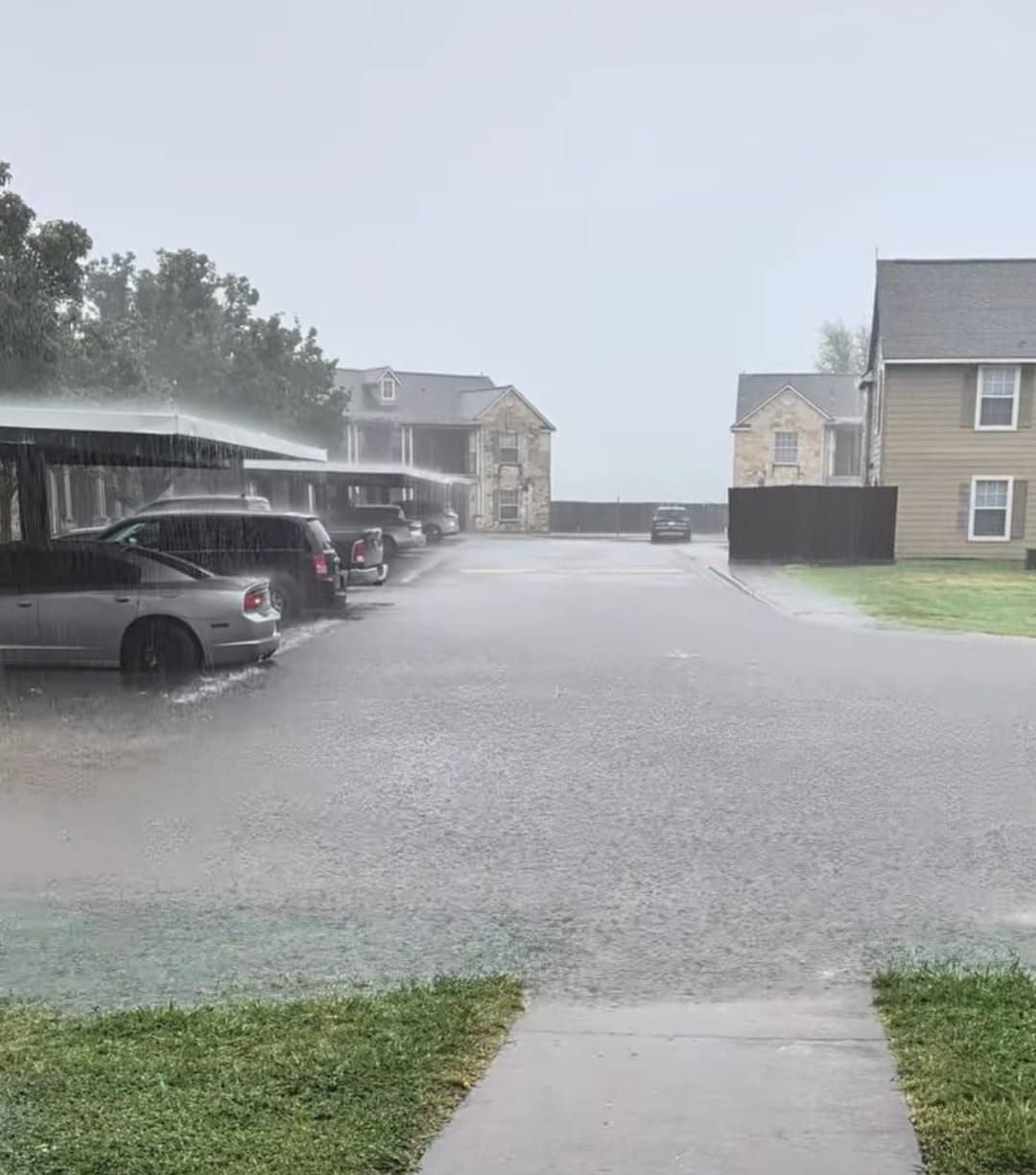
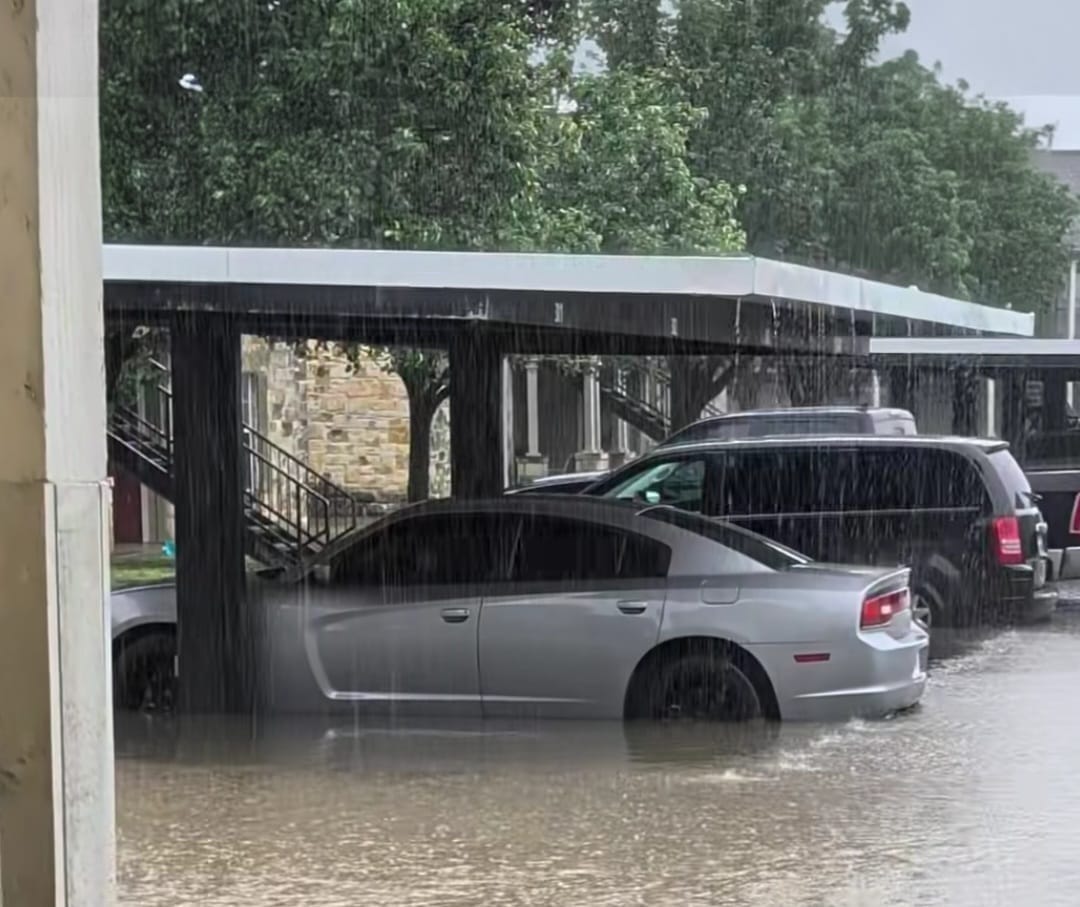
CAMERON, TX — Following yesterday’s catastrophic storms, many Cameron residents are waking up to a harsh reality. Lower-level units in local apartment complexes have suffered severe high-water damage, and dozens of residents are dealing with vehicles that were completely submerged or ruined by floodwaters.
For many living in William Trace Apartments, a privately owned complex built in known flood zones, frustration is mounting as property management attempts to avoid responsibility—often pointing to "flooding waivers" signed during the lease application process.
If you are a renter affected by this disaster, you are not powerless. Here is a detailed guide on your legal rights under Texas law, how the state’s emergency declaration affects you, and exactly how to secure help for your car, your belongings, and your home.
The "Waiver" Myth: What Landlords Can and Cannot Do
Many landlords use application waivers or "Act of God" clauses to scare tenants into believing they have no rights. Under the Texas Property Code, this is false.
- The Duty to Repair: Texas law explicitly states that a landlord must make a diligent effort to repair any condition that materially affects the physical health or safety of an ordinary tenant. Standing floodwater, raw sewage backup, structural mold, and ruined drywall are direct threats to health. A signed waiver does not grant a landlord a free pass to ignore these hazardous conditions.
- The Issue of Negligence: If property owners knew the complex had severe flooding issues since 2023 and failed to maintain proper drainage or take preventative measures, they can still be held legally liable for property damage due to negligence—regardless of what the lease says.
- If Your Unit is Unlivable: If your apartment is completely unusable for residential purposes, Texas law gives you the right to terminate your lease early by giving written notice. You are also entitled to a pro-rated refund of any pre-paid rent and your security deposit.
The Disaster Declaration: Where Does the Money Come From?
Governor Greg Abbott’s pre-storm State of Emergency declaration is a crucial first step, but residents must understand how it translates into actual financial aid:
- Right Now (State Level): The declaration activates state emergency resources, allows local officials to bypass red tape, and deploys immediate aid organizations (like the Red Cross and Salvation Army) to establish local shelters and distribution centers.
- The Next Step (Federal Level/FEMA): For individuals to receive direct cash grants from FEMA, the state must hit a specific financial damage threshold. Once the state proves the severity of the damage, Milam County can be unlocked for FEMA Individual Assistance.
How Renters Get Help for Flooded Vehicles and Belongings
If federal aid is unlocked, FEMA provides distinct programs specifically tailored for renters.
For Damaged Cars (Other Needs Assistance)
FEMA can provide financial grants to repair or replace a primary vehicle damaged by a disaster.
- If you have Comprehensive Auto Insurance: You must file a claim with your insurance provider first. FEMA will only step in to cover unmet needs, such as your deductible or costs exceeding your policy limit.
- If you only have Liability Insurance: Because basic liability does not cover flood damage, FEMA can consider you for a grant. You must provide FEMA with proof that the vehicle was legally registered and insured under Texas law at the time of the flood.
For Your Apartment and Belongings
- FEMA does NOT pay to fix the building: Because you do not own the structure, FEMA will not pay to fix the walls, floors, or landlord-owned appliances.
- FEMA DOES pay for your life: Renters are eligible for Rental Assistance (money to pay for a hotel or a temporary rental unit if your apartment is unlivable) and Personal Property Assistance (money to replace your furniture, electronics, clothing, and bedding).
The Immediate Action Checklist for Impacted Residents
If your apartment or vehicle was flooded, do not wait for the property management company to act. Take these steps today to protect your family and your financial recovery:
1. Document the Evidence
Before you throw anything away or begin cleaning, take clear photos and videos. Document the high-water marks on the interior walls of your apartment, the water levels on your vehicle, and the condition of all ruined personal property.
2. Report Damage to the iSTAT Tool Immediately
Go to damage.tdem.texas.gov and fill out the Individual State of Texas Assessment Tool (iSTAT) survey.
- Why this is critical: The state uses this specific data to prove to the federal government that the damage in Cameron is severe enough to justify unlocking FEMA cash grants for individuals. If residents do not report their damage here, Milam County may not qualify for federal aid.
3. Establish a Legal Paper Trail with Your Landlord
Do not rely on text messages or verbal promises from apartment managers.
- Send a formal, written request for repairs detailing the exact damage to your unit.
- Send this notice via Certified Mail with Return Receipt Requested through the Post Office. Under Texas law, this official paper trail is mandatory before you can legally terminate a lease or take further legal action for an unrepairable unit.
4. Connect with Local Resources
- Call 2-1-1: Dial 2-1-1 or visit 211texas.org to connect with localized disaster case management, emergency housing, and immediate supplies.
- Lone Star Legal Aid: If your landlord threatens you with eviction or refuses to address hazardous conditions, contact Lone Star Legal Aid at 1-800-733-8394 or visit texaslawhelp.org for free disaster-related legal assistance.